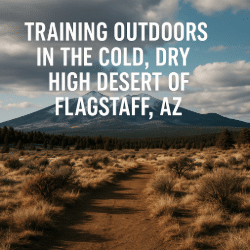
There’s something powerful about training in the open air—your stance anchored in the earth, lungs drawing in crisp mountain air, and the vast Arizona sky stretching above you. Flagstaff, perched at about 7,000 feet elevation, offers martial artists a stunning outdoor dojo, from forest clearings to mountain trails. But with that beauty comes a challenge many underestimate: the high-altitude sun.
If you’re doing martial arts in Flagstaff, you need to think beyond your technique. At this altitude, the sun isn’t just a warm-up act. It’s a force that demands respect. Let’s walk through why the high-altitude sun is risky, and how you, as a martial artist, can train smart, stay healthy, and keep your edge.
Why the Sun Hits Harder at High Altitudes
At 7,000 feet above sea level, you’re closer to the sun and exposed to significantly more ultraviolet (UV) radiation. According to the World Health Organization, UV levels increase by approximately 10–12% for every 1,000 meters of elevation gain. That means Flagstaff martial arts practitioners can receive 25–30% more UV radiation than those training at sea level.
UV exposure increases your risk for:
Sunburn (faster and more intense at altitude)
Long-term skin damage and aging
Dehydration and heat exhaustion
Eye damage from unfiltered UV
Combine that with sweat, minimal shade, and extended outdoor practice, and the environment becomes an opponent in itself.
The Flagstaff Factor: Unique Training Challenges
Flagstaff’s cooler temperatures can be deceptive, making it easy to forget the sun’s intensity. Its low humidity speeds up fluid loss, even if you’re not dripping with sweat. Add in the performance-driven culture of athletes training at elevation, and martial artists in Flagstaff often push harder than they should without adjusting for the sun.
Sun-Smart Strategies for Outdoor Martial Arts in Flagstaff
Whether you’re swinging a baston at Buffalo Park or flowing through forms in the Coconino National Forest, these tips will help you train smarter under the high-altitude sun.

1. Time Your Training Wisely
Plan your sessions for times when UV intensity is lower:
Train before 10 AM or after 4 PM
Avoid peak UV hours between 10 AM and 3 PM [7]
UV radiation is strongest when the sun is highest in the sky, regardless of ambient temperature.
2. Use Physical Barriers (Smart Clothing)
Your gear is your first defense.
Wear long-sleeved, UPF-rated clothing (Ultraviolet Protection Factor), which can block 90–98% of UV rays [8]
Choose lightweight, breathable, moisture-wicking fabrics
A wide-brimmed hat or cap shields your face, scalp, and neck
Wear sunglasses with 100% UV protection to prevent eye damage [9]
Even in martial arts, adaptations like sun sleeves or modified training gear can offer excellent protection without compromising movement.
3. Apply Sunscreen Consistently
Think of sunscreen like wrapping your hands: it’s part of the ritual.
Use a broad-spectrum SPF 30+ sunscreen [10]
Apply 15–30 minutes before exposure
Cover ears, neck, hands, and feet—often missed spots
Reapply every 2 hours, or more frequently if sweating heavily
The American Academy of Dermatology (AAD) recommends using a water-resistant formula for athletic activities [11].
4. Hydrate Before You Feel Thirsty
High-altitude, low-humidity conditions lead to quicker dehydration, even when sweat isn’t obvious.
Drink water throughout the day, not just during training
Pre-hydrate: drink 16–20 oz of water 2–3 hours before exercise [12]
Add electrolytes if you’re training longer than an hour or sweating heavily
Avoid high-caffeine energy drinks, which can accelerate fluid loss
Signs of dehydration include dizziness, dry mouth, and fatigue—take them seriously.
5. Acclimate Gradually
If you’re visiting from lower altitudes, take it easy for the first few days.
Train at reduced intensity
Allow your body to adapt to lower oxygen levels and increased UV
Monitor for signs of altitude sickness, such as headache, nausea, and fatigue [13]
Even experienced athletes benefit from gradual ramp-ups in intensity.
6. Learn the Warning Signs
Train with awareness. Watch for signs of:
Dehydration
Dry lips or mouth
Dark urine
Lightheadedness
Sunburn
Redness, pain, or skin sensitivity
Blistering in severe cases
Heat Exhaustion
Nausea, chills, muscle cramps
Rapid heartbeat or fainting [14]
If any of these occur:
Stop training immediately
Move to a cool, shaded area
Hydrate and apply cool water or compresses
Seek medical care if symptoms persist
7. Seek or Create Shade
Natural cover like pine canopies or forest edges offers relief from direct UV. Martial arts groups training in Flagstaff parks often rotate to areas with partial tree cover, or bring portable shade structures like tarps or canopies.
Even partial shade can reduce UV exposure by 50% [15].
8. Let the Sun Sharpen Your Awareness
Training outdoors isn’t just about exposure—it’s about attunement. You’ll start noticing changes in light, energy, and fatigue in subtle ways. High-altitude sun training can be meditative when done wisely. It teaches you to listen—to your body, your breath, and the environment.
Use it as a way to develop shin, or mindful spirit. After all, martial arts isn’t about overpowering nature. It’s about learning to move with it.
Final Thoughts: Elevate Your Practice with Strategy
Practicing martial arts outdoors in Flagstaff is an incredible experience—if done smartly. Use the sun as a guide, not a threat. With the right timing, gear, hydration, and awareness, you can thrive at elevation.
Stay sharp. Stay safe. And let your environment be your greatest teacher.
Martial Arts Flagstaff FAQ: Training in the High-Altitude Sun
Why is training martial arts in Flagstaff different?
Flagstaff's high elevation and intense sun mean UV exposure is stronger and hydration becomes more important during outdoor martial arts training.
How can I stay safe training outside in Flagstaff?
Time your sessions before 10 AM or after 4 PM, wear UPF-rated gear and hats, hydrate regularly, and use sunscreen before training.
Does elevation affect martial arts performance?
Yes. Flagstaff’s thinner air reduces oxygen availability, which can lead to faster fatigue. Acclimate gradually if you’re visiting from lower elevations.
Is sunscreen alone enough for martial artists training outside?
No. Sunscreen is important, but it works best when combined with physical barriers like hats, sunglasses, and long-sleeved training apparel.
What gear do Flagstaff martial artists need for outdoor training?
Use lightweight UPF-rated clothing, wide-brimmed hats, polarized sunglasses, and SPF 30+ sunscreen. A hydration pack is also recommended in sunny weather.
References
World Health Organization. “Sun protection: A primary teaching resource.” WHO, 2003.
Environmental Protection Agency (EPA). “Health Effects of UV Radiation.” https://www.epa.gov/sunsafety
American Cancer Society. “Ultraviolet (UV) Radiation.” https://www.cancer.org/uv-radiation.html
Centers for Disease Control and Prevention (CDC). “Heat-Related Illnesses.” https://www.cdc.gov/disasters/extremeheat/warning.html
American Academy of Ophthalmology. “UV Eye Protection.” https://www.aao.org/eye-health/tips-prevention/sun
National Weather Service. “UV Index and Your Health.” https://www.weather.gov/uv
Skin Cancer Foundation. “Sun Safety Tips for Athletes.” https://www.skincancer.org
CDC. “How to Protect Yourself from UV Radiation.” https://www.cdc.gov/cancer/skin/basic_info/prevention.htm
American Academy of Ophthalmology. “Sunglasses: Protect Your Eyes.”
FDA. “Sunscreen: How to Help Protect Your Skin.” https://www.fda.gov
American Academy of Dermatology. “How to Choose the Best Sunscreen.” https://www.aad.org
National Athletic Trainers’ Association. “Fluid Replacement for Athletes.” https://www.nata.org
Cleveland Clinic. “Altitude Sickness.” https://my.clevelandclinic.org
Mayo Clinic. “Heat Exhaustion.” https://www.mayoclinic.org
WHO. “Sun Protection in the Shade.” UV radiation in shaded environments.